A project launched at Balıkesir University Burhaniye Faculty of Applied Sciences (BUBFA) has brought Ottoman-era sherbets back to modern tables.
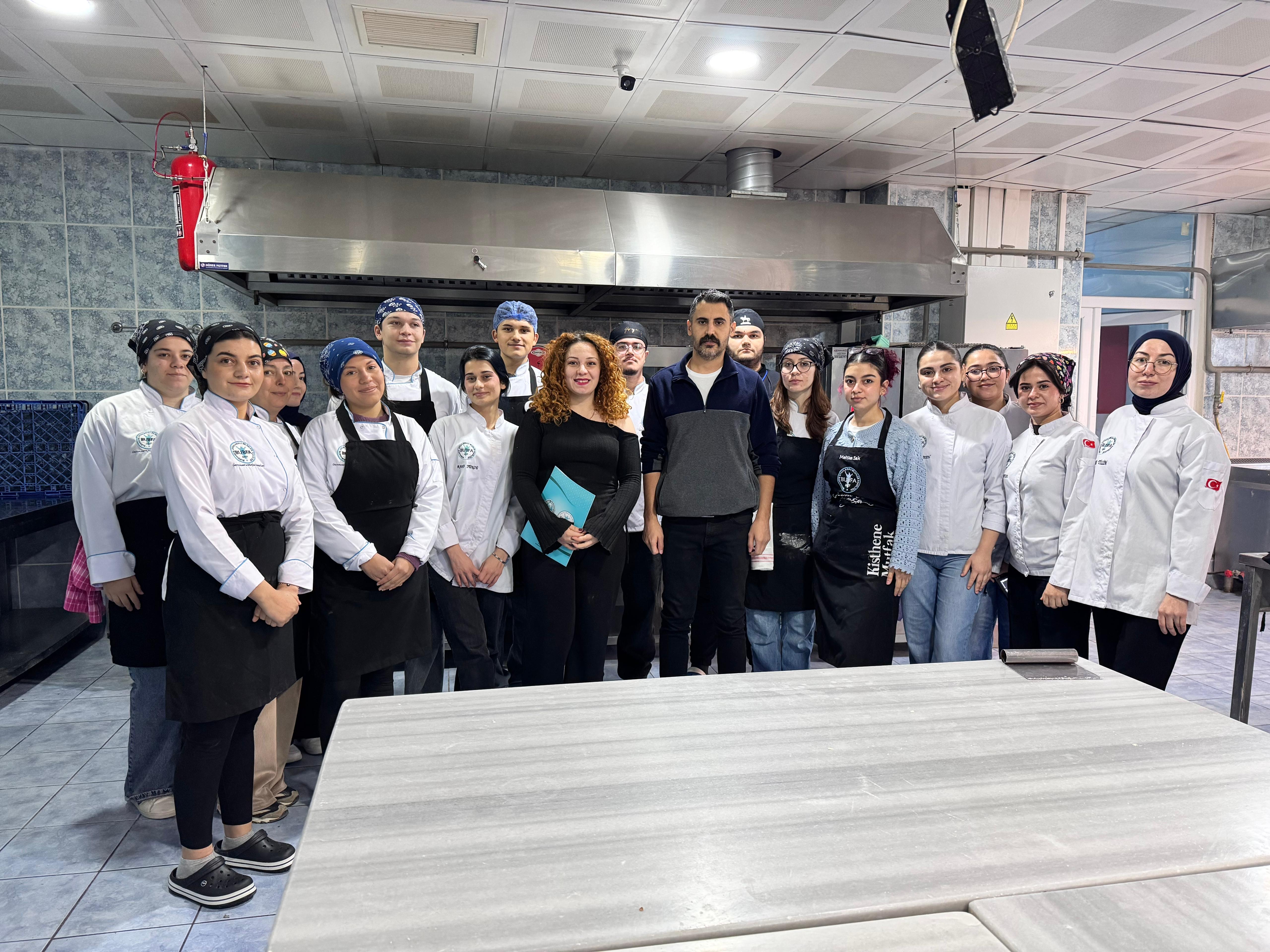
Within the scope of the project titled “A Journey with Sherbets at BUBFA”, students from the Department of Gastronomy and Culinary Arts aimed to revive and reintroduce traditional Ottoman sherbets that have nearly faded from collective memory.
Prepared using traditional ingredients such as tamarind, almond milk, sirkencubin (vinegar and honey syrup), cardamom, pomegranate, and various herbs and fruits, these historical beverages were recreated by students in the university’s training kitchen.
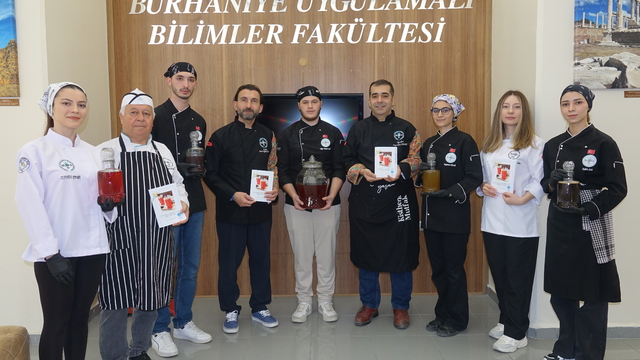
The students presented their work through a tasting event and also prepared a recipe booklet featuring 18 authentic sherbet recipes, serving as a guide for those who wish to reproduce these drinks at home.
“Sherbet is not just a drink, but a part of culture”
Dean Prof. Dr. M. Oğuzhan İlban emphasized that Ottoman sherbets represent not only a beverage tradition but also a rich cultural heritage.
“We developed this project to preserve and revive Ottoman sherbets,” İlban explained. “As part of our Teamwork course, students carry out various creative projects each semester. This particular one focuses on passing down the heritage of sherbets from the past to the present.”
He noted that the project culminated in a booklet containing 18 sherbet recipes, which was distributed to local businesses in the Edremit Gulf region.
“These drinks, which date back to the Seljuk period and are considered a source of healing across the Turkish world, have become increasingly important today when we consider the widespread use of unhealthy beverages. Sherbets have a special place, especially during Ramadan. Our aim is to introduce and promote them among younger generations,” he added.
Prof. İlban also underlined that the Ottoman cuisine contained hundreds of sherbet varieties, stating that it is now essential to ensure their transmission to the future:
“Our responsibility as educators is to teach our students these traditions correctly so that they can keep this heritage alive.”
“We want to pass it on to future generations”
Uğur Umut Uysal, one of the students involved in the project, said they aimed to keep the tradition alive by making the sherbets themselves:
“Ottoman sherbets are truly healing beverages. Today, there are many unhealthy drinks available, so we want to present sherbets as a healthy alternative in our daily lives and during meals. We’re proud to contribute to preserving Turkish culture and heritage for future generations.”
Another student, Ceydanur Aydemir, said the project helped them understand the healing properties and cultural depth of these historical beverages:
“We completed this project to revive sherbets as a healthy alternative to carbonated drinks. We’re very happy to contribute to their sustainability and to recognize their importance in Turkish culture.”
Similarly, Ayşenur Küreli highlighted their motivation to rediscover and reintroduce forgotten drinks:
“We started this project to bring back and remind people of the sherbets that were once a major part of daily life. It was a rewarding and meaningful experience for all of us.”